Phone vs Professional Video: Which Is Right for Your Business?
21/02/25, 10:12
In a world where we all carry 4K video cameras in our pockets, do we still need professional camera operators?
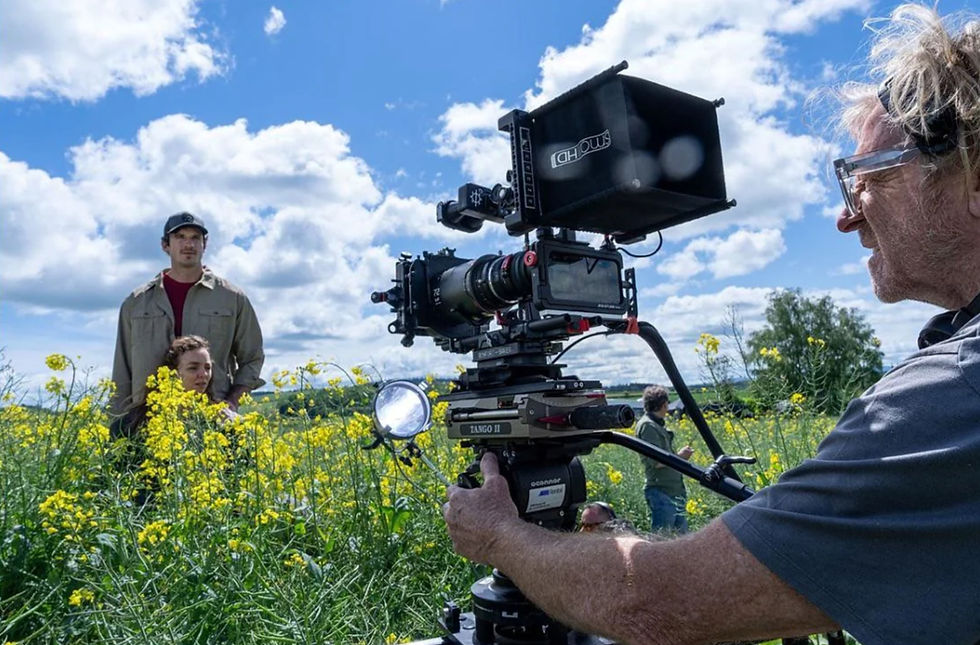
In a world where we all carry 4K video cameras in our pockets, do we still need professional camera operators? This is a question that’s been raised in marketing meetings across the UK more and more in recent years. While I’ll admit I naturally lean towards the side of the argument that keeps me in business as a videographer, it’s still worth looking at both options as valuable tools within a successful marketing strategy.
As a video production company based in Gloucestershire, working with businesses across the South West, Midlands, and beyond, this is a conversation I have regularly with clients. In this article, I’ll compare phone cameras and professional camera setups, explain why dedicated cameras are still worthwhile, and share how businesses can get the most out of the phone they already own.
The Key Differences Between Phone Cameras and Professional Cameras
To understand the difference between phone cameras and dedicated photography or video cameras, it helps to look at two key areas: sensor size and lens quality.
The sensor is what replaced film in modern cameras. It’s the surface that the lens focuses light onto, and its size plays a huge role in image quality. While there are different sensor sizes across professional camera systems, many are based around the 35mm film standard. These sensors are significantly larger than those found in even the most advanced smartphones.
A larger sensor doesn’t just produce higher resolution images — it’s essential for achieving greater dynamic range. This means retaining detail in both highlights and shadows, as well as capturing a wider and more accurate colour range. Dynamic range is a big part of what gives professional video production its natural, cinematic feel and allows it to represent real life more faithfully.
Lenses are the second major factor. Detachable lenses for professional cameras range from affordable options to specialist lenses costing tens of thousands of pounds. The physics behind lens design means that size matters, and this is where phone cameras face unavoidable limitations. While many phones now feature multiple lenses to offer different perspectives, their ability to control depth of field, clarity, and focus is still restricted by their physical size.
Phones rely heavily on computer processing to compensate for these limitations. While this can be very effective, it isn’t the same as capturing the image optically in the first place. Even relatively affordable professional cameras will consistently outperform smartphones in terms of image quality when used well.
What Phone Cameras Do Exceptionally Well
So does all of this mean you should hire a professional videographer or photographer for every piece of content you create? Absolutely not.
One of the biggest strengths of phone cameras is the processing power behind them. Modern smartphones contain incredibly capable computers, often far more powerful than those found inside dedicated cameras. This allows them to adapt what the camera captures and produce impressive results with very little effort from the user.
There’s also ongoing debate around the use of AI in phone photography and video, particularly when images are enhanced automatically. While some people find this off-putting, many of these features can be adjusted or turned off, and for most businesses, the trade-off is more than acceptable.
Most importantly, phones are always with us — which makes them ideal for capturing content quickly and naturally.
When to Use Your Phone for Business Content
Given how immediate and fast-paced social media has become, phone cameras are ideal for behind-the-scenes content. I’d recommend using your phone to capture everyday moments that show the human side of your business.
This could include:
Meet the team videos
Special offers or announcements
Behind-the-scenes clips
Surprise events or promotions
Light-hearted moments
Reposting customer selfies or stories
For many Gloucestershire-based and UK businesses, this type of content helps build trust locally by showing personality and authenticity, while keeping your brand active across social platforms.
When Professional Video Production Still Matters
So if phones can do all of that, why do businesses still invest in professional video production?
The answer is simple: some content needs to look polished, consistent, and high-end — particularly content that represents your brand long-term.
Your website is often the first place potential customers will interact with your business. Cohesive, professional imagery helps build trust, while inconsistent visuals can make a company appear unprofessional.
This is where working with a professional videographer or photographer makes a real difference. Content such as team portraits, headshots, client testimonials, training videos, event coverage, promotional films, product videos, and property imagery for websites or Google listings all benefit from a professional approach.
For businesses across Gloucestershire, the South West, the Midlands, and the wider UK, this kind of content plays a key role in standing out from competitors.
Finding the Right Balance
In summary, phone cameras are ideal for fast, authentic social media content and day-to-day updates. I’d recommend using them for the majority of behind-the-scenes material to stay current and relatable.
However, when it comes to content that represents your business publicly — particularly on your website or in client-facing marketing — professional video and photography remain a worthwhile investment.
If you’re based in Gloucestershire or the surrounding areas and are considering how to balance phone content with professional video production, feel free to get in touch. I’d be happy to talk through how we can create a content approach that supports your business goals.